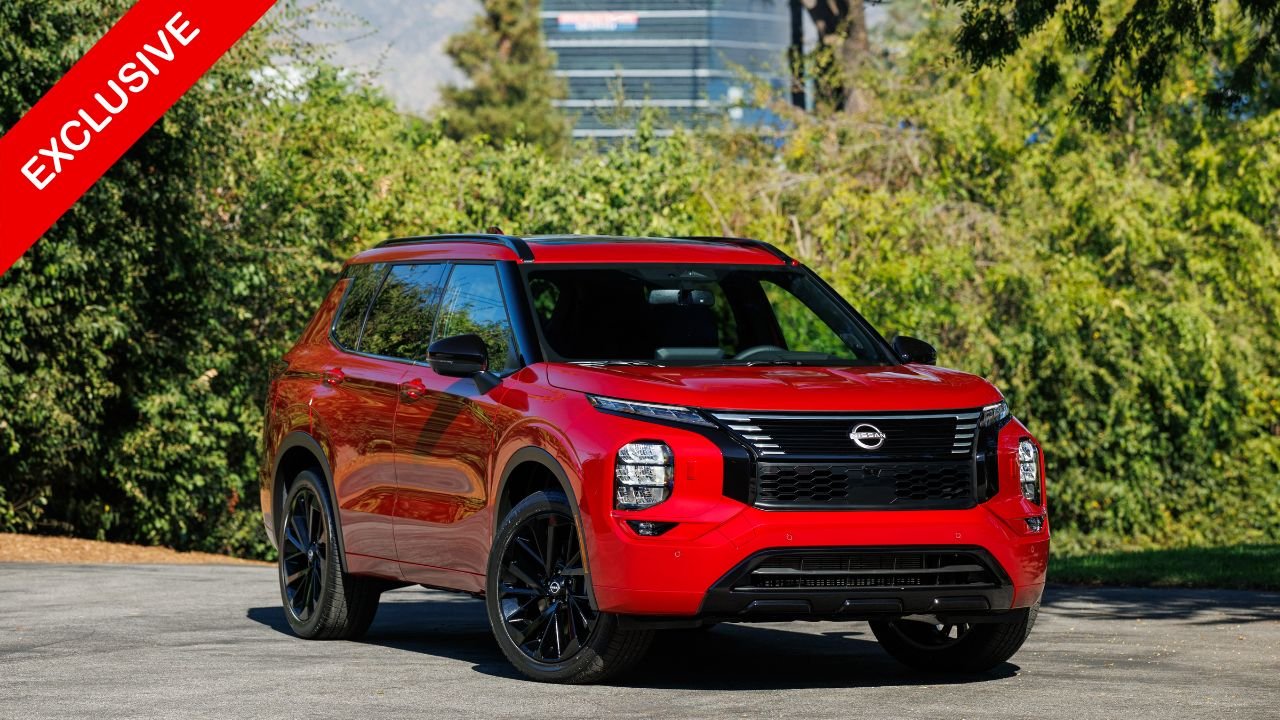
The 2026 Nissan Rogue Plug-In Hybrid arrives as a timely, tech‑heavy family SUV that blends everyday practicality with meaningful electric driving range before a next‑generation hybrid system replaces it. It borrows its core plug‑in technology from the Mitsubishi Outlander PHEV, giving it strong performance, genuine all‑electric commuting ability, and three rows of seating in a package that may only be sold for a short window.
What makes the Rogue Plug‑In Hybrid different
Instead of the regular Rogue’s small turbo three‑cylinder engine, the plug‑in hybrid pairs a 2.4‑liter four‑cylinder with two electric motors and a 20 kWh battery. System output is rated at about 248 horsepower and 332 pound‑feet of torque, which is noticeably stronger than the standard Rogue and more in line with rival plug‑in compact SUVs. Standard all‑wheel drive comes from placing one motor on the front axle and a second on the rear, allowing the SUV to feel more like an electric vehicle under light to moderate acceleration.
On the road, early drive impressions describe the Rogue Plug‑In as smooth, quiet, and more EV‑like than traditional hybrids, especially at city speeds where the gas engine stays off for long stretches. When the battery is depleted, the system transitions almost seamlessly into hybrid mode, using the engine both to drive the wheels and to generate electricity depending on the situation. Adjustable regenerative braking, including a strong “e‑Step” mode, lets drivers rely mostly on the accelerator pedal in traffic, which can make daily driving more relaxed and efficient.
Electric range, efficiency, and charging
A key selling point is the estimated 38 miles (about 61 km) of all‑electric range, enough for many owners to cover a typical round‑trip commute without burning fuel if they charge regularly. With a full battery and a tank of gas, total range is projected around 420 miles in U.S. rating or about 687 km in Canadian figures, so longer road trips still feel familiar and convenient. In hybrid operation, the Rogue Plug‑In is expected to deliver roughly 26 mpg combined with an efficiency rating around 64 MPGe, placing it squarely in the competitive plug‑in compact SUV segment.
Charging uses a J1772 Level 2 AC port and does not support DC fast charging, which means owners will mostly rely on home or workplace chargers. A full charge on a typical 240‑volt Level 2 setup takes about 7.5 hours, making overnight charging the natural routine for most drivers. Regenerative braking can also feed energy back into the battery while driving, and some first‑drive testing noted that using a “charge” mode on the highway can add a modest amount of electric range for later urban driving.
Interior space, comfort, and technology
One of the Rogue Plug‑In Hybrid’s distinguishing traits is its three‑row, seven‑seat layout, mirroring the Outlander PHEV and giving families more flexibility than many compact rivals. The third row is best suited to children or short trips, but folding it away frees up a flat cargo area that works well for luggage, sports gear, or bulk shopping runs. Front passengers get comfortable seats and a high driving position, while the second row offers enough legroom for adults, especially with the third row folded.
Technology is tuned to current expectations in this class, with an available 12.3‑inch digital instrument cluster and a 9‑inch central touchscreen on upper trims. Features such as wireless smartphone integration, multiple USB ports, heated seats, and an available panoramic sunroof help the Rogue Plug‑In feel more like a premium compact SUV. Nissan also equips the model with its ProPILOT Assist driver assistance suite on many versions, bringing adaptive cruise control, lane‑centering, and other aids commonly found in modern family crossovers.
Key specifications at a glance
The following table summarizes core mechanical and efficiency data buyers are likely to compare when cross‑shopping plug‑in compact SUVs.
| Specification | 2026 Nissan Rogue Plug‑In Hybrid |
|---|---|
| Engine / Motors | 2.4‑L 4‑cyl + dual electric motors |
| System output | 248 hp / 332 lb‑ft torque |
| Battery capacity | 20 kWh lithium‑ion pack |
| Electric‑only range | Approx. 38 miles / 61 km |
| Total driving range | About 420 miles / 687 km est. |
| Drivetrain | Standard all‑wheel drive |
| Charging time (Level 2) | About 7.5 hours to full |
| Estimated fuel efficiency | Around 64 MPGe, 26 mpg hybrid |
Trims, pricing expectations, and features
In North America, the Rogue Plug‑In Hybrid is expected to launch primarily in well‑equipped SL and range‑topping Platinum trims. Equipment on the SL level should include the larger digital displays, heated front seats, advanced safety tech, and all‑wheel drive, while Platinum models add items such as heated rear seats, upgraded interior finishes, and a panoramic roof. Official pricing has not yet been published, but dealer and analyst expectations place the starting figure in the low‑$40,000 range, with fully loaded models reaching the low‑$50,000s.
This positioning makes the Rogue Plug‑In competitive with other plug‑in compact SUVs while reflecting the extra cost of the larger battery and dual‑motor hardware. Incentives for plug‑in hybrids will vary by region, so some buyers may see effective transaction prices drop significantly once federal, state, provincial, or local programs are factored in. For families already considering a well‑equipped conventional Rogue, the plug‑in version will likely appeal most to drivers who can charge regularly and fully exploit its electric range.
Why it may disappear quickly
Despite being Nissan’s first plug‑in hybrid in the U.S., the Rogue Plug‑In is widely described as a stopgap model, arriving just ahead of a new Rogue generation expected to use Nissan’s own e‑Power‑style hybrid tech. The current plug‑in system is heavily shared with Mitsubishi as part of the Renault‑Nissan‑Mitsubishi Alliance, which helped bring it to market faster but also limits its long‑term strategic value for Nissan. Industry reports suggest the next‑gen Rogue, due as early as the 2027 model year, will shift to a different hybrid architecture, so this plug‑in variant may only live for a single model cycle or even fewer years, depending on demand.
Uncertainty around future emissions rules, EV adoption rates, and customer interest in plug‑in hybrids also plays a role in how long the Rogue Plug‑In will remain in showrooms. Some coverage notes that even Nissan is publicly cautious about promising a long life for this variant, framing it more as a bridge product that fills a gap in the lineup and buys time for the brand’s broader electrification strategy. For shoppers, that means the Rogue Plug‑In Hybrid represents a chance to get a capable, family‑oriented plug‑in SUV during a relatively narrow sales window before the next wave of Nissan hybrids arrives.
SOURCE
FAQs
Q1: What is the electric‑only range of the 2026 Nissan Rogue Plug‑In Hybrid?
It offers an estimated 38 miles, or about 61 km, of electric‑only driving on a full charge.
Q2: How long does it take to fully charge the battery?
Using a Level 2 home or public charger, a full charge takes roughly 7.5 hours.
Q3: Will the Rogue Plug‑In Hybrid be a long‑term model in Nissan’s lineup?
Analysts expect it to be a short‑run “bridge” model ahead of a new Rogue with a different hybrid system, so its future beyond the mid‑2020s is uncertain.