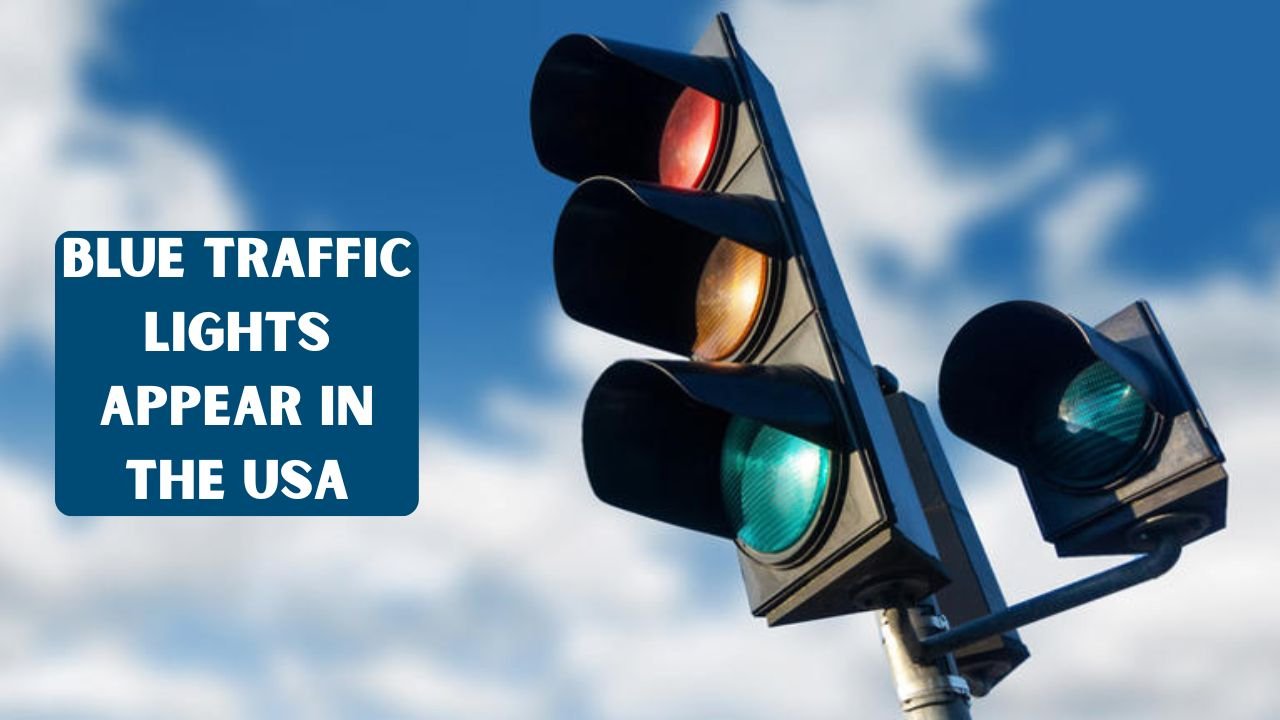
Blue lights have started appearing alongside traditional red, yellow, and green signals at select intersections across the United States, particularly in states like Florida. These auxiliary fixtures, known as confirmation or enforcement lights, activate specifically when the main light turns red, helping law enforcement spot drivers who fail to stop. Installed at high-risk spots to curb red-light running—one of the leading causes of intersection crashes—they aim to boost safety without relying solely on cameras or officer visibility.
Purpose Behind the Blue Glow
The blue light serves as a clear visual cue for nearby police, illuminating instantly when a red light triggers, even if the intersection is obscured by traffic or buildings. In Collier County, Florida, officials approved $160,000 to equip 20 problem areas after a tragic semi-truck crash killed a woman and injured children at Immokalee Road and Logan Boulevard. Data shows over 800 fatalities and 94,000 injuries yearly from intersection violations nationwide, prompting innovative tools like these to deter speeders pushing through yellows.
Nationwide Rollout and Variations
Florida leads adoption, with Collier County pioneering the system post-November 2024 commission vote. Other states explore similar tech amid rising fatalities—California’s 300+ red-light cameras pair with officer patrols, while Texas phased some out. Blue lights complement existing enforcement, activating only on red to confirm violations objectively. No national mandate exists; local governments decide based on crash stats, often targeting arterials with heavy volumes.
Rules for Drivers: Simple Obedience
Encountering a blue light demands the same response as any signal: treat it as part of the standard sequence. Proceed on green/yellow per usual, but stop fully on red—blue illumination confirms the command. Pushing through yellow risks activating it prematurely, drawing immediate attention. Patience pays: creeping forward or blocking boxes invites tickets. Visibility aids spotting them atop poles or beside signals, ensuring no confusion with police blues.
Penalties for Ignoring the Signal
Violations carry steep consequences varying by jurisdiction. Florida fines start at $158 civil penalties, escalating with points (3 on license) that hike insurance 20-50%. Reckless cases add misdemeanors with $500+ fines, jail up to 90 days, or license suspension. South Carolina’s “failure to stop for blue light” (police context) mandates $500 minimum, 90-day jail, and 30-day suspension. Repeat offenses become felonies with years imprisonment. Accidents amplify charges to vehicular homicide.
Enforcement and Effectiveness Data
| State/Region | Blue Light Status | Typical Fine Range | Annual Intersection Fatalities (est.) |
|---|---|---|---|
| Florida (Collier) | Active (20 sites) | $158-$500 | 800+ statewide |
| California | Cameras dominant | $100-$490 | High urban density |
| South Carolina | Police-focused | $500+ | Varies by rural/urban |
| Texas | Phased cameras | N/A (officer-based) | Declining post-camera removal |
Blue lights reduce subjectivity, lighting up for officers hidden nearby.
Safety Wins and Driver Tips
Early data promises fewer crashes—Florida’s post-installation monitoring shows compliance spikes, as the glow warns speeders of scrutiny. Tips: scan for blue fixtures at busy crossings, brake early on yellows, and yield intersections fully. They enhance lives without trapping innocents, focusing violators who endanger pedestrians and cross-traffic.
Future Expansion and Concerns
As fatalities climb, more counties eye blue lights, potentially standardizing nationwide. Critics worry overreach or confusion, but proponents cite lives saved outweighing tickets. Check local ordinances; most treat violations identically to standard reds.
FAQs
Q1 Blue means stop?
No—standard red light rule applies.
Q2 Fine amount?
$158-$500+ depending on state.
Q3 Cameras or officers?
Officers use blue cue; no auto-tickets.
Disclaimer: The content is intended for informational purposes only. Check official sources; our aim is to provide accurate information to all users.