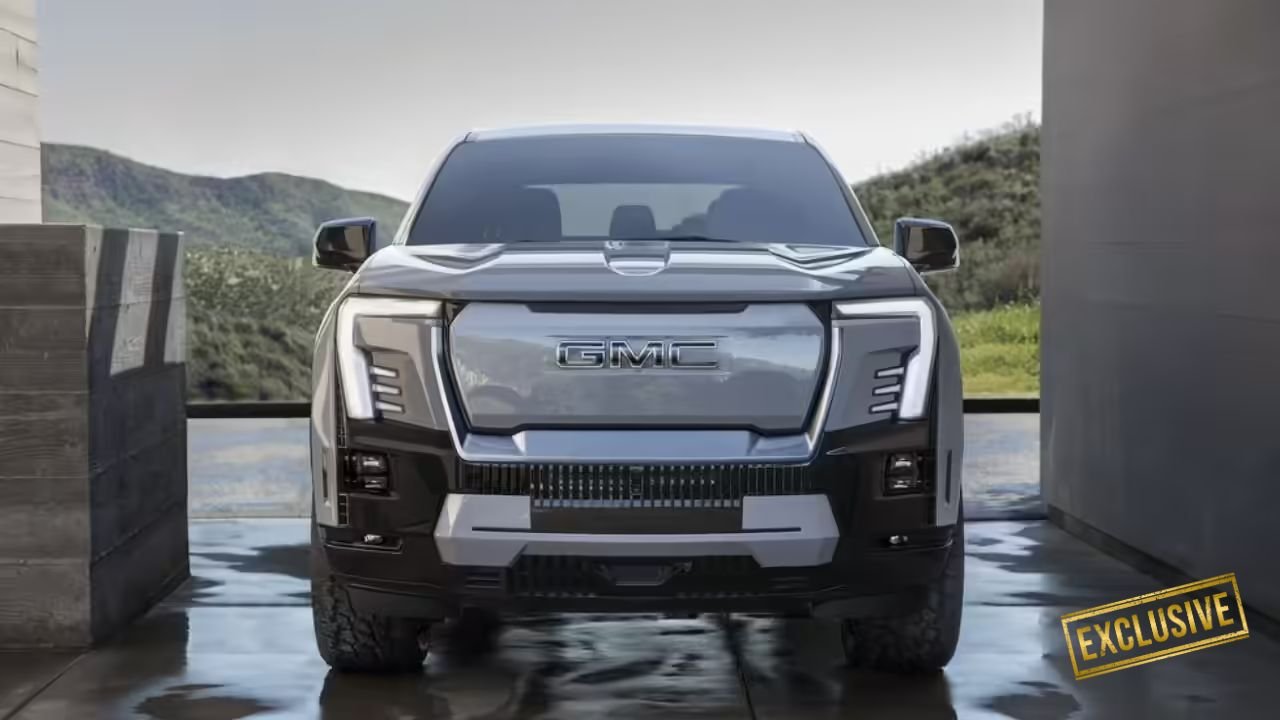
GMC’s recent price cuts for the Sierra EV are a strategic attempt to fix slow demand, high pricing, and tough competition from rival electric pickups, but they will only partly solve the vehicle’s problems. The lower starting prices and new trims improve value and broaden appeal, yet concerns about timing, charging infrastructure, and real‑world usability still limit its breakthrough potential.
How Much Has The Sierra EV Price Dropped?
GMC initially positioned the Sierra EV as a premium, near‑luxury truck, with early Denali Edition models hovering close to or above the six‑figure mark in the U.S. market. Facing cooling EV demand and intense competition, GMC has since introduced lower‑priced trims like the Elevation and AT4 and trimmed Denali pricing, bringing the starting figure into the mid‑$60,000 range in the U.S., alongside official messaging that the 2026 Sierra EV starts in the low $60,000s.
Where The Price Drop Helps Most
The price cut immediately tackles the Sierra EV’s biggest weakness: affordability relative to competitors such as the Ford F‑150 Lightning and Chevrolet Silverado EV. With new trims and battery options, shoppers can now get into a Sierra EV at a price comparable to rivals while still accessing features like strong towing capacity, robust range estimates, and upscale interior appointments on higher trims.
Market Position Versus Key Rivals
The table below illustrates how the revised Sierra EV pricing reshapes its position against similar electric pickups.
| Model | Approx. Starting MSRP (US) | Max Estimated Range (miles) | Notable Positioning |
|---|---|---|---|
| GMC Sierra EV Elevation | Around mid‑$60,000s | About low‑to‑mid‑280s | New “value” entry trim to broaden appeal |
| GMC Sierra EV Denali (ext. range) | High‑$70,000s to low‑$80,000s | Extended range beyond Elevation | Premium luxury‑oriented electric truck |
| Ford F‑150 Lightning XLT | Low‑to‑mid‑$60,000s | Around 240 miles with certain packs | More established work‑oriented EV pickup |
| Chevy Silverado EV | Mid‑$50,000s and up depending on trim | Up to high‑400s on some versions | Aggressive range and pricing play within GM family |
By sliding below or close to the F‑150 Lightning on similarly equipped trims and staying competitive with its Silverado sibling, the Sierra EV now looks less like a niche luxury toy and more like a realistic business or family purchase.
Problems The Price Drop Cannot Fully Fix
Price is only one of the Sierra EV’s challenges, and some issues remain structural. Production of the Sierra EV at GM’s Orion plant has already faced delays, pushing volume ramp‑up toward late 2025 and beyond, which limits supply and risks losing buyers to more readily available competitors. In addition, broader EV headwinds—slower‑than‑expected adoption, charging concerns, and questions about long‑term resale value—affect all electric pickups, meaning that a lower sticker still has to overcome hesitancy among traditional truck owners.
Can Lower Prices Change Perception?
The price realignment helps reshape the narrative from “overpriced showpiece” to “serious player” in the electric truck segment. With more attainable trims, GMC can appeal to fleet managers, small business owners, and private buyers who previously dismissed the Sierra EV as too expensive, especially when government or local EV incentives are factored into the total cost of ownership. However, perception change also depends on real‑world reliability, dealer experience, and transparent communication around software updates, range performance, and warranty support.
How The Price Cut Fits Into GM’s EV Strategy
The Sierra EV’s price drop is part of a larger GM rethink on electric trucks, where investment pacing and product strategy are being adjusted to match slower demand growth. By offering a wider spread of trims and prices, GM can share development costs across the Sierra EV and Silverado EV while targeting both high‑margin luxury buyers and more price‑sensitive customers, a balance that could improve profitability if volumes eventually rise.
Outlook: Will The Sierra EV’s Problems Be Solved?
Lower pricing substantially improves the Sierra EV’s competitiveness, but it is not a magic fix for every challenge the truck faces. Success will depend on GMC’s ability to ramp production on schedule, maintain quality, expand charging access partnerships, and convince conservative truck buyers that an electric Sierra can tow, haul, and endure like its gasoline counterparts. If those pieces come together, the price drop could mark the turning point that transforms the Sierra EV from a slow‑moving niche product into a mainstream contender in the electric pickup market.
SOURCE
FAQs
Q1: Why did GMC lower the Sierra EV’s price?
GMC reduced pricing and added lower trims to stay competitive in a cooling EV market and to attract more buyers beyond high‑end luxury customers.
Q2: Does the price drop change the Sierra EV’s range or capabilities?
The latest updates pair price reductions with additional battery options and trims, but core capabilities such as towing, range, and performance still vary mainly by configuration rather than by discount alone.
Q3: How does the Sierra EV now compare to the Ford F‑150 Lightning?
With its new starting price, the Sierra EV is roughly on par or slightly cheaper than some F‑150 Lightning trims while offering similar range and a more upscale interior focus, though the Ford still benefits from being earlier to market and more widely available.