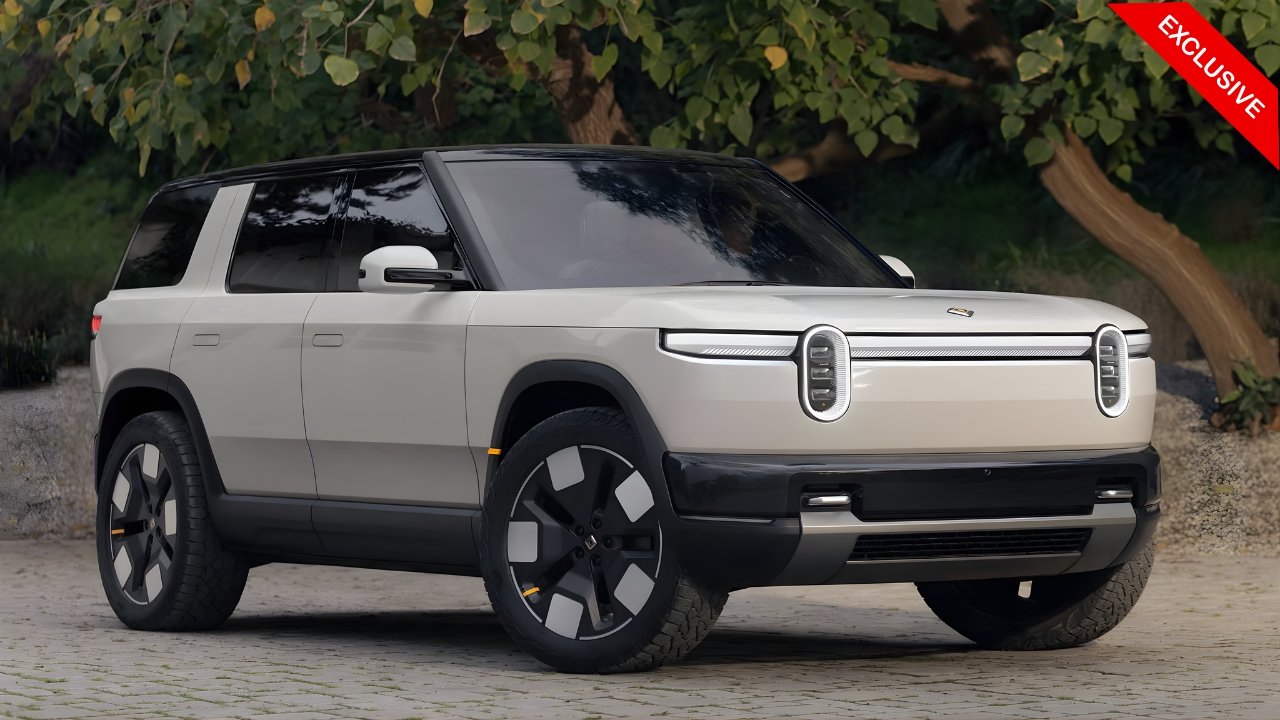
Rivian is preparing to unveil sophisticated self-driving technologies to the rest of its electric vehicles, beginning with the low-priced R2 SUV as the leader. This breakthrough shows that Rivian is keen to compete directly with Tesla in the autonomous technology front, with its own chips and multi-sensor systems that allow reliable everyday applications. In the case of the mass-appeal R2, the company can achieve this goal by making high-tech driver aids accessible to a broader audience.
Rivian Autonomy Platform Dissection
The new Autonomy+ system is a combination of cameras, radar, lidar, and a proprietary AI processor to process point-to-point travel. The internal Autonomy Processor of Rivian handles large volumes of data to make split-second decisions, which is no longer dependent on Nvidia because it offers a more precise control system and reduces expenses.
– Brings Level 3 conditional autonomy to R2 by the end of 2026.
– Allows hands-free highway operation by early 2026, and then eyes-off.
– It is affordable at only $2,500 initial or $49.99 per month.
This system is brilliant in harsh environments such as at night or bad weather, which goes further than vision-only systems.
R2 SUV Leads the Way
The R2 will be priced at $45,000 and will be released in early 2026 with Gen 2 hardware and have the option to add full Gen 3 features such as roof lidar. It is fitted with 11 cameras, radars, and ultrasonics.
R2 self-driving highlights:
– Highway and limited urban roads hands free.
– End to end point-to-point navigation.
– Future software pushes robotaxi preparedness.
The owners can enjoy the over the air updates to keep up with the times.
Cutting-Edge Hardware and AI
The Large Driving Model by Rivian is based on fleet miles and simulations in order to perfect infrequent events. The ACM3 unit has a capability of 5 billion pixels/second, which represents Level 4 autonomy in the future.
– Lidar is post-launch to provide accurate 3D mapping and detection.
– The attention of drivers is monitored using inward cameras to reduce risks.
– R1 trucks, and SUVs are added to the updates.
The multi-sensor design enhances safety margins as opposed to one-camera competition.
Timeframe and Large-Scaled Implementation
Hands-free will be available on current models in the near future, and eyes-off on R2 at the end of 2026. R1 updates are then made, which makes the door open to rideshare income.
| Feature | R2 Timeline | Key Details |
|---|---|---|
| Hands-Free | Early 2026 | Highway and city use |
| Eyes-Off (L3) | Late 2026 | Lidar-powered |
| Cost | $2,500 | Or monthly subscription |
Competitive Advantages
Lidar backup Lidar backup will save Rivian the problems of the vision-based competitors, so the R2 is a smart purchase in a saturated EV market. Such technological injection would rekindle the interest in the adventure-capable Rivian cars.
FAQs
Q1: What self-driving level on R2?
A1: Level 3, where eyes-off driving will be permitted under specific conditions by the end of 2026.
Q2: Launch hardware on R2?
A2: Gen 2 on the day of launch, which has developed into lidar and bespoke AI chip in 2026.
Q3: Upgrades for prior Rivians?
A3: Software-based now Hands-free; complete suite on Gen 2 R1s to come.