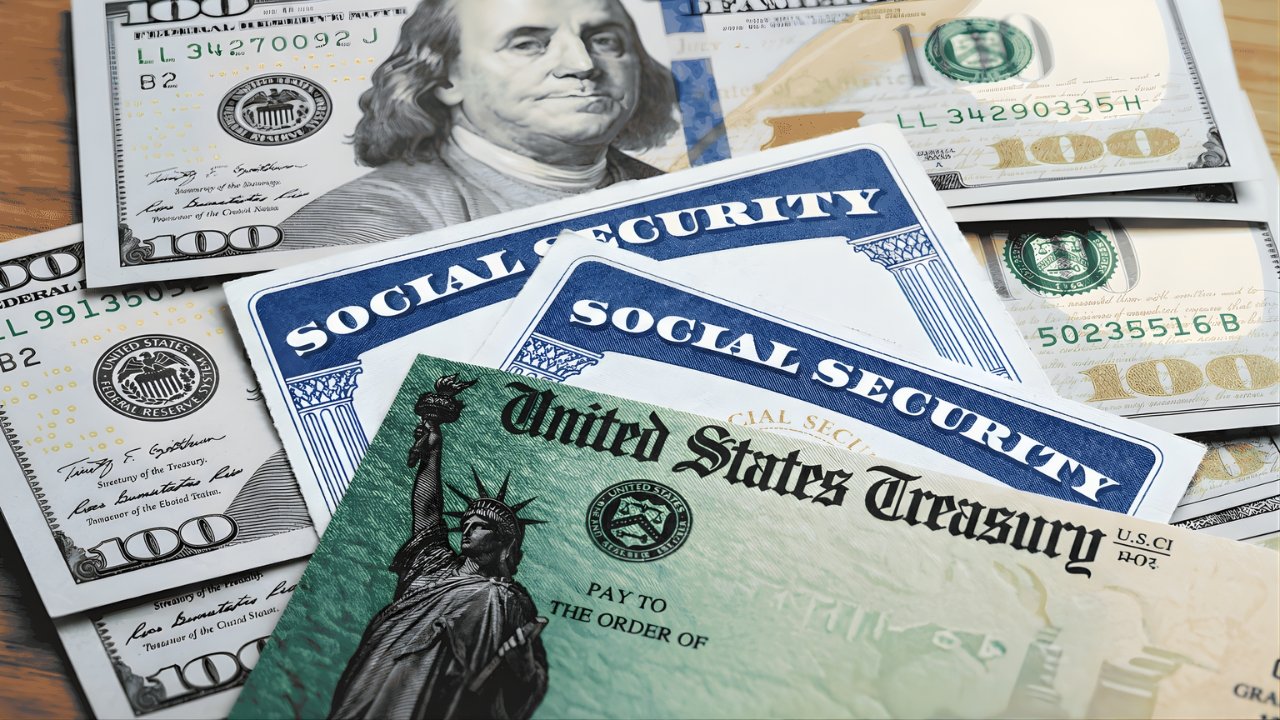
There has been a dramatic turnaround whereby, the federal government has gone ahead quietly to cancel its ambitious move to dispense paper Social Security checks by the end of 2025. The mandate was first scheduled to have a strict deadline of September 30, forcing millions of beneficiaries to switch to direct deposit or prepaid debit cards only. Nevertheless, with the concerns of the advocacy groups and rural populations, the Social Security Administration (SSA) has moved to a hybrid approach that maintains the physical checks as long as this is the need of the most needy.
The 2025 Deadline Reversal
The first impetus to terminate paper checks was an overall modernization process of decreasing fraud and lowering administrative expenses. Although the government has managed to transfer over 99 percent of beneficiaries to electronic platforms, the 1 percent of the entire population who represented hundreds of thousands of individuals were left at risk of being disrupted. Realizing that a complete prohibition would put vulnerable seniors in a situation where they do not have access to the much-needed funds, authorities softened the deadline. Paper checks have been put on a reprieve, i.e. it will be issued to those who cannot reasonably access digital banking.
Who is Eligible to the Reprieve?
The walk-back directly aims at persons with legitimate impediments of electronic banking. This covers the elderly in rural locations who have limited access to the internet, people with disabilities who may not be able to maintain an online account and include the unbanked group of the population who may not necessarily have a traditional bank account. Although the direct deposit remains the leading approach promoted by the SSA, the new policy guarantees that the lack of digital literacy or other technological devices does not deprive any person of their benefits.
Why the Government Changed Course
The pivot decision was based on the vigorous feedback on the issue of the digital divide. The opponents maintained that the transition to an all-digital system would have a disproportionate impact on the poorest and the oldest recipients because of the speed in which it was adopted. Moreover, it was impossible to have a hard cutoff because administrative tasks, like time needed to fill in the waiver forms and the procedures needed to update bank information regarding estates, were not practical. The government is putting its emphasis on financial availability rather than pure technical efficiency by silently stretching the life of the paper check.
Direct Deposit Remains the Standard
Although this has been reprieved the SSA still has it that electronic payments are the default and safest. Federal statistics show that checks done on paper have a higher likelihood of loss, theft or delay (approximately 16 times) than the direct deposit. The government will move to wring out the temporary check option of new claimants and will actively advertise the Direct Express debit card as an intermediate solution to those lacking the traditional bank accounts.
What Beneficiaries Now Need to Do
In the case of those who already get paper checks, there is no urgent step they need to take in order to continue being recipient of the checks. The SSA has ensured that the physical payment will remain automatic to old recipients who did not change. Nevertheless, the agency advises the ability of any person to use direct deposit to opt to make the transition to prevent the delays in mail. In the event that you are notified about your method of payment, make sure that you reply using formal channels such as the my Social Security portal to evade the possible fraudsters.
Policy Status at a Glance
| Feature | Updated 2025 Status |
| Original Deadline | September 30, 2025 |
| Current Policy | Reprieve granted; Paper checks continue |
| Primary Method | Direct Deposit / Direct Express Card |
| Action Required | None for current paper check recipients |
Frequently Asked Questions (FAQs)
1. Will my paper check be bouncing in late 2025?
No. The paper checks will be maintained by the government due to the change in the policy that will still be in force to those individuals who have yet to switch to electronic payments.
2. Do I have to request a waiver in order to continue receiving checks?
Although the government is promoting a formal waiver, the existing directive recommends that no payments will be suddenly discontinued to those who are receiving physical mails.
3. Does it have a faster direct deposit than before?
Yes. Money deposited directly without paper is normally accessible in the morning of your payment day, but paper checks are at the mercy of the post service and the weather.
Disclaimer
The information is to be informational only. You may reference the official sources; we are willing to inform all users with correct information.