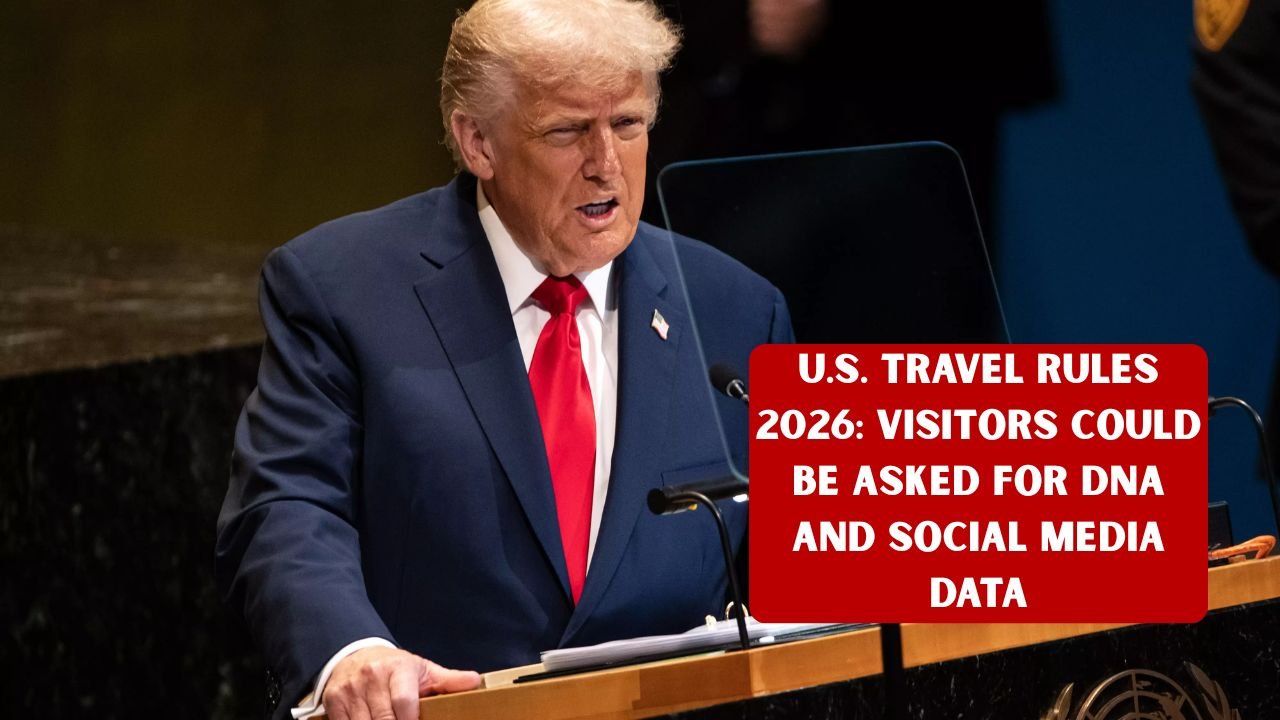
International travelers planning trips to the United States in 2026 may face unprecedented scrutiny at the border, with U.S. Customs and Border Protection proposing mandatory disclosure of five years of social media history, email addresses, phone numbers, and even biometric data like DNA for visitors from visa-waiver countries. Published in the Federal Register on December 10, 2025, the changes target the Electronic System for Travel Authorization (ESTA) program, affecting tourists from 42 nations including the UK, Australia, Japan, and most of Europe. While framed as enhanced security measures, the rules have sparked debates over privacy, free speech, and travel barriers ahead of major events like the 2026 FIFA World Cup.
Background on ESTA and Current Screening
The ESTA system allows eligible visitors to stay up to 90 days without visas, processing over 20 million applications annually for a $21 fee. Since 2016, social media handles have been optional, but the new proposal makes them compulsory, expanding to full histories across platforms like Instagram, Facebook, and X. CBP aims to verify identities, detect fraud, and flag risks by cross-referencing posts with watchlists. The push aligns with President Trump’s executive order for “maximum vetting,” responding to recent threats like the Washington D.C. attack before Thanksgiving 2025.
New Data Demands: What Travelers Must Share
Visitors would submit social media activity from the past five years, phone numbers used in the last five years, and email addresses from the prior decade. “High-value data elements” include IP addresses and metadata from submitted photos, plus details on immediate family—names, birthdates, birthplaces, residences, and contact info. Biometrics extend beyond fingerprints and facial scans to iris data and potentially DNA, though collection methods remain unspecified. Geolocation via app selfies would confirm departures, curbing overstay issues.
Affected Countries and Timeline
The Visa Waiver Program covers 42 nations, including 17 co-hosting the 2026 World Cup with the U.S., Mexico, and Canada. Existing ESTA holders face no retroactive checks but could encounter questions on arrival. Public comments run 60 days from publication, with implementation “when feasible,” possibly mid-2026. CBP emphasizes it’s a discussion starter, not final policy.
Privacy Concerns and Potential Impacts
Critics like the Electronic Frontier Foundation warn social media scans chill speech, flagging innocuous posts or associations as risks, deterring young travelers with active profiles. Boundless CEO Xiao Wang predicts higher denial rates for incomplete data, impacting families and business trips. Airlines report 20% U.S. booking growth tied to the World Cup; new hurdles could reverse trends, especially for Europeans voicing political views.
ESTA Changes Comparison Table
| Data Type | Current (Optional/Voluntary) | Proposed (Mandatory) |
|---|---|---|
| Social Media | Handles only | 5 years full history |
| Phone Numbers | Recent/current | Last 5 years |
| Email Addresses | N/A | Last 10 years |
| Family Details | None | Names, DOB, birthplaces, contacts |
| Biometrics | Face/fingerprints | + Iris, DNA (methods TBD) |
| Departure Verification | Manual | App geolocation + liveness check |
Legal and Practical Challenges
Requiring app-only submissions aims to block scams but raises access barriers in low-connectivity areas. Experts question DNA logistics—saliva swabs at airports?—and enforcement consistency. Denials based on posts could spark lawsuits over First Amendment parallels for non-citizens. CBP insists data corroborates applications, distinguishing “legitimate travel” from threats.
What Travelers Should Do Now
Secure ESTA early via official cbp.gov/esta to avoid fakes; disclose voluntarily now to preempt scrutiny. Scrub profiles of sensitive content, but brace for metadata analysis. Monitor Federal Register updates; affected nations’ foreign offices may issue advisories. World Cup fans from VWP countries should apply months ahead.
Global Reactions and Future Outlook
UK’s FCDO stays silent beyond standard warnings; travel groups like ABTA predict booking hesitancy. If finalized, rules could reshape tourism economics, prioritizing security over convenience amid geopolitical tensions
.
FAQs
Q1 Which countries affected?
42 VWP nations like UK, Japan, Australia.
Q2 DNA collection how?
Unspecified; likely airport biometrics.
Q3 Existing ESTA safe?
Yes, but questions possible on arrival.
Disclaimer:The content is intended for informational purposes only. Check official sources; our aim is to provide accurate information to all users.